The LIA and GPAC members join Healthy Homes and Buildings APPG 10th Anniversary Parliamentary Reception
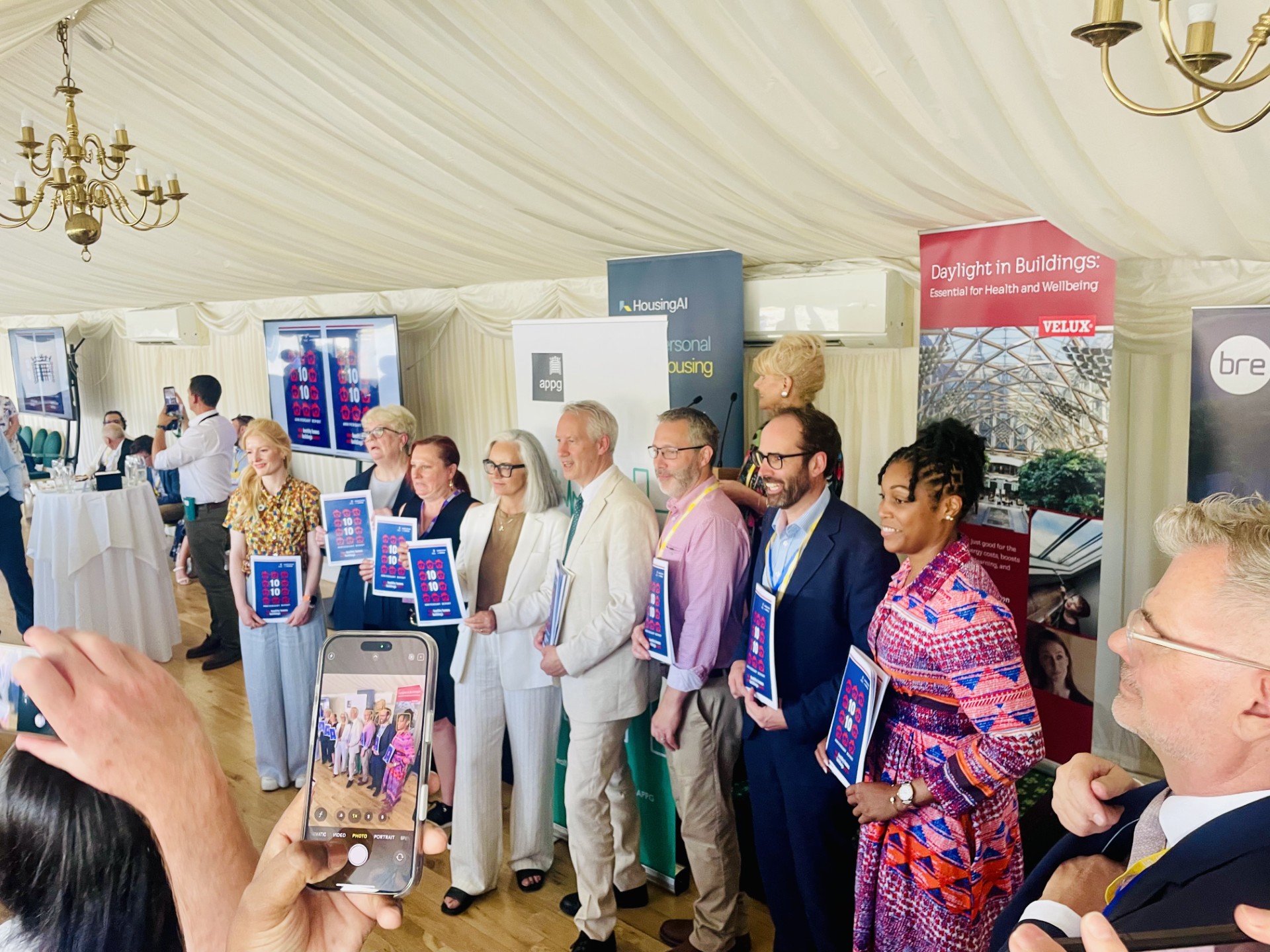
Hosted on the Terrace Pavilion in Parliament, the reception brought together supporters from across housing, retrofit, public health, academia and the built environment to reflect on a decade of work advocating for health and wellbeing principles to be embedded in future policy and legislation.
The event also marked the launch of the APPG’s anniversary report, linked below, which explores why the quality of our homes and buildings matters not only to comfort, but also to physical and mental health, educational attainment, productivity and life chances. The report highlights how factors including air quality, heat, light and acoustics can all influence people's wellbeing and ability to live comfortably and thrive.
For The LIA, this was an important and timely conversation to be part of. Much of the healthy homes debate rightly focuses on urgent issues such as damp, mould, cold homes, ventilation, overheating, unsafe housing and fuel poverty. These are fundamental concerns that have a direct impact on health, dignity and quality of life. The APPG report makes clear that too many people across the UK continue to live, work, learn and recover in buildings that are cold, damp, poorly lit, poorly ventilated, noisy, unsafe or energy inefficient.
The reception provided a strong reminder that buildings are never just physical structures. They shape how people live, learn, recover, work, age and participate in society, with direct implications for health, wellbeing and opportunity.
For The LIA, that is why lighting deserves a place within the wider healthy homes conversation. Too often, lighting is viewed primarily as a design feature or compliance requirement. In reality, the quality of light within homes, schools, hospitals, care settings and workplaces can have a significant influence on how people experience and use those environments. Light quality should be considered part of the infrastructure that supports healthy, inclusive and effective spaces.
Importantly, this is not about elevating lighting above other pressing priorities. Rather, it is about recognising that healthy buildings should be assessed not only by the problems they prevent, but also by the positive outcomes they enable. The APPG's anniversary report already acknowledges the importance of factors including heat, light, air quality and acoustics, reinforcing the need for a genuinely holistic approach to healthier homes and buildings.
More on this will follow after the APPG’s upcoming “Missing Elements” Parliamentary Event on 7 September, where The LIA and GPAC members will be contributing to the discussion on lighting and its contribution to health, wellbeing and human outcomes. The emerging discussion reflects a broader question: should healthy buildings be judged not only by the harms they prevent, but by the lives they help people lead?
The reception highlighted the importance of cross-sector collaboration and evidence-based policy making, bringing together expertise from housing, health, retrofit, construction, engineering and the wider built environment.
As the APPG looks ahead to its next decade, The LIA and its GPAC members look forward to contributing to an evidence-led conversation about the role of lighting within healthy homes and buildings. Our aim is not to promote lighting in isolation, but to support a broader healthy environments agenda that helps people live healthier, safer and more fulfilling lives.
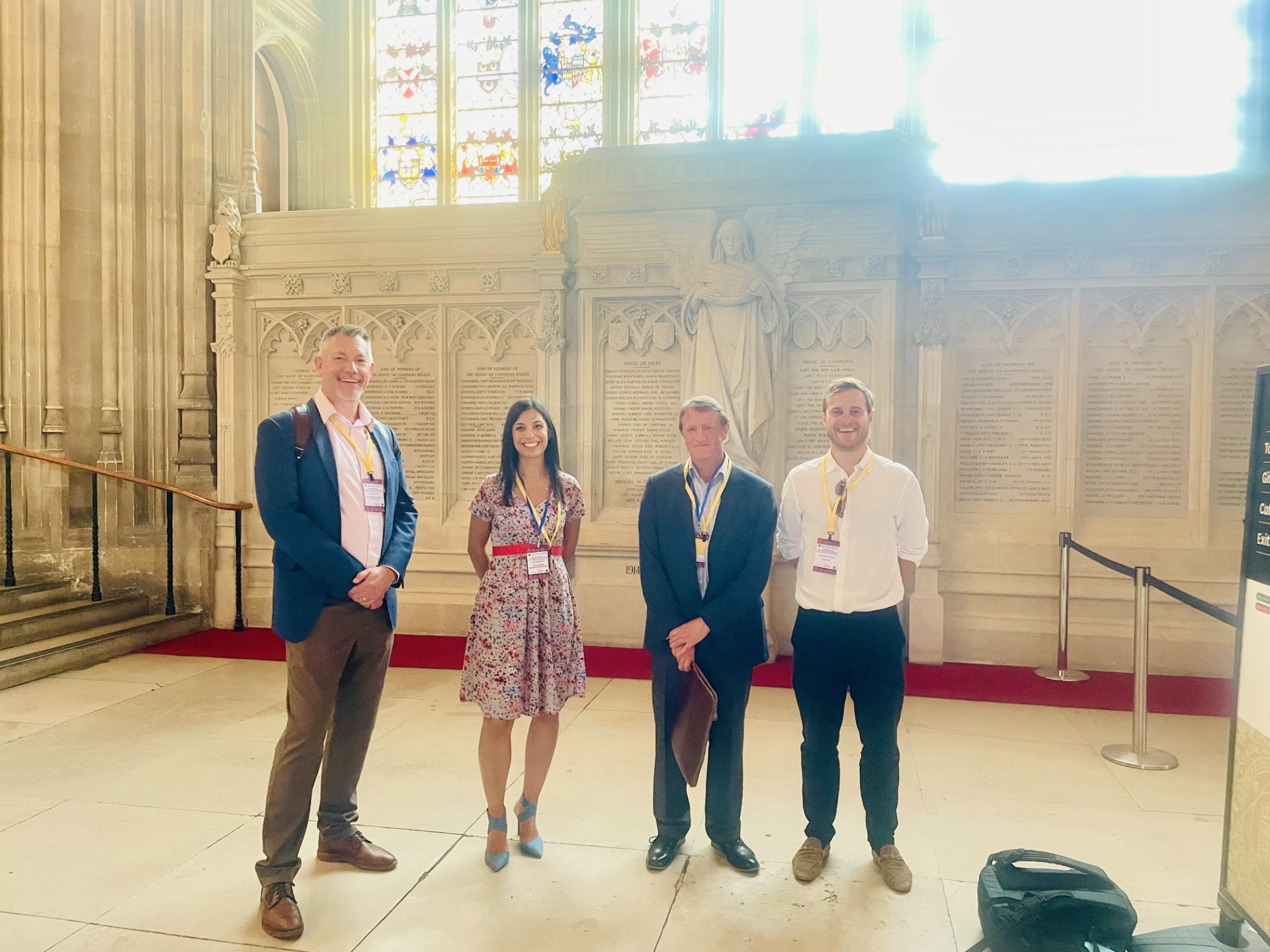
We look forward to continuing this conversation with the Healthy Homes and Buildings APPG, our GPAC members and wider stakeholders, helping to ensure that future discussions consider not only what keeps people safe, but also what helps people thrive.