ICEL Emergency Lighting Conference

About the Conference

Thursday, September 10th, 2026

Cavendish Conference Centre

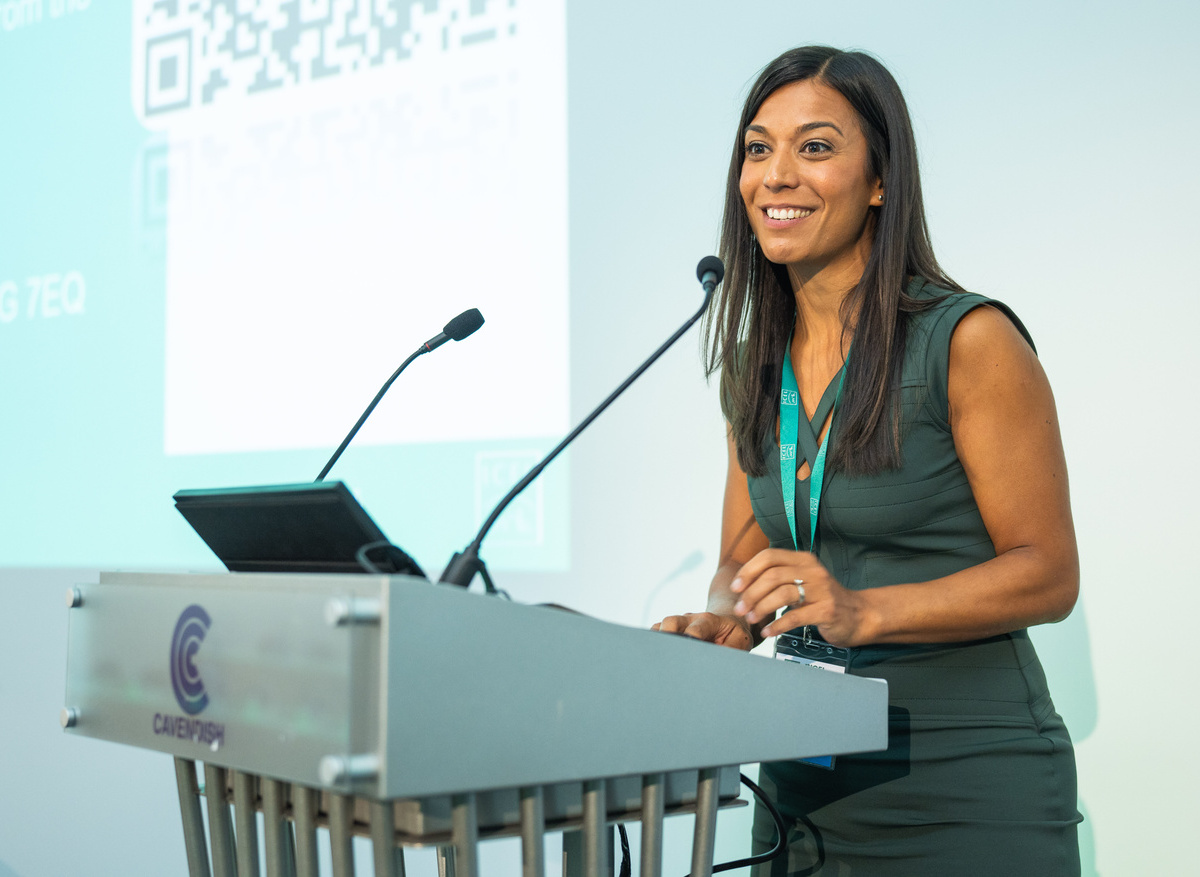
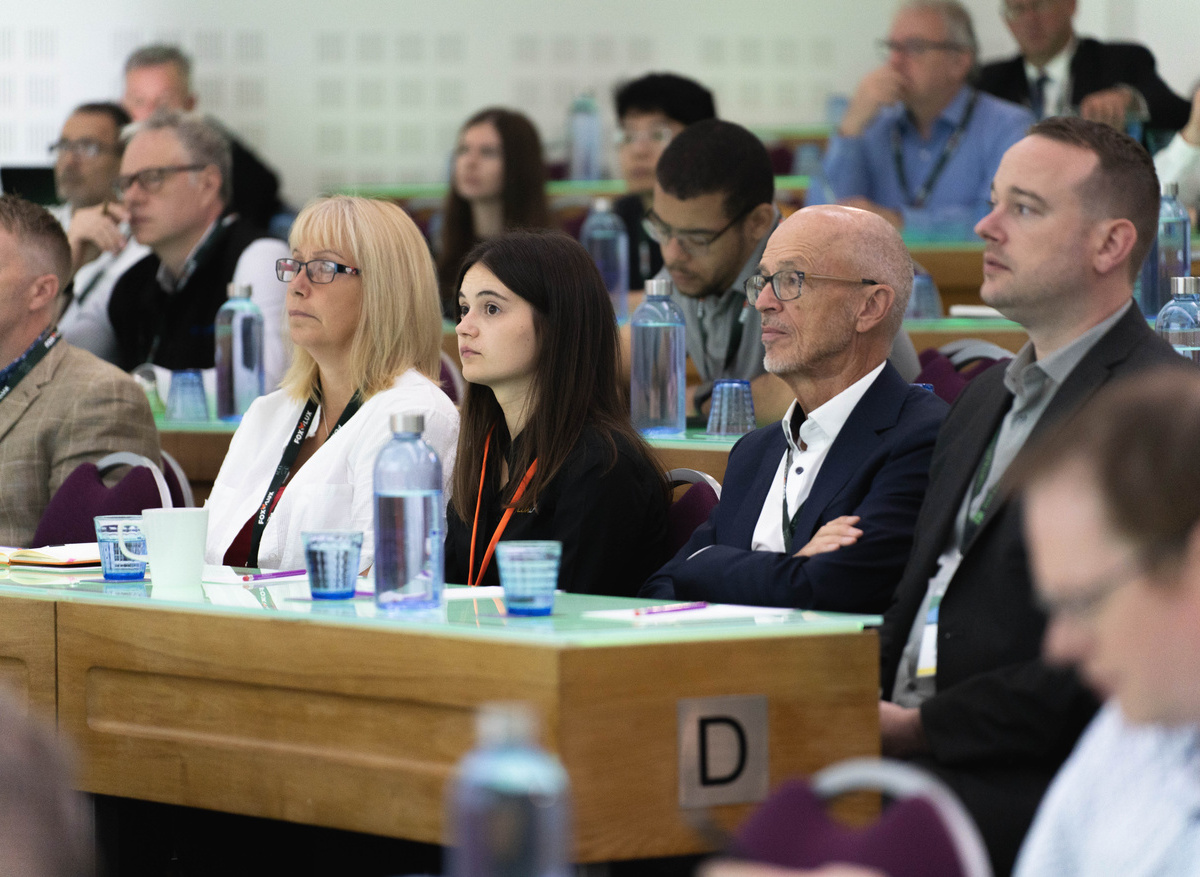
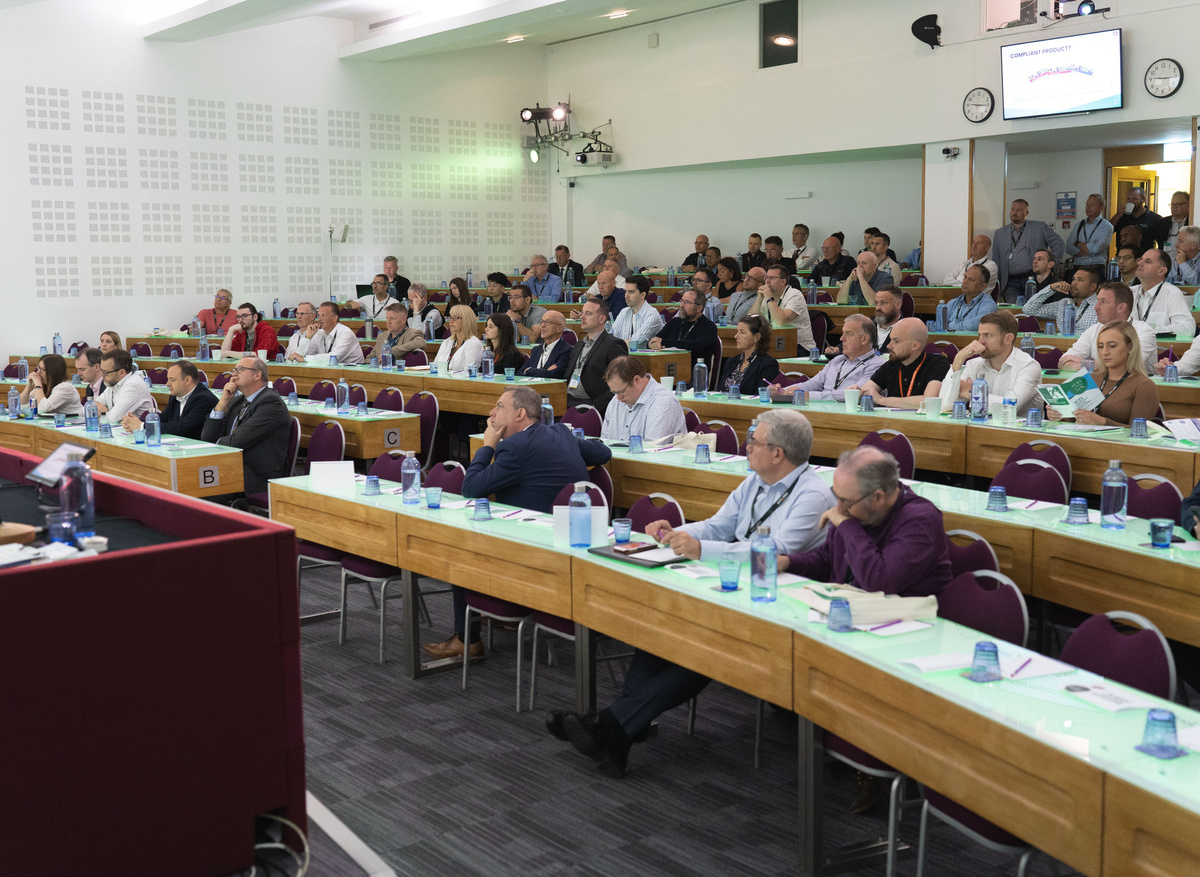
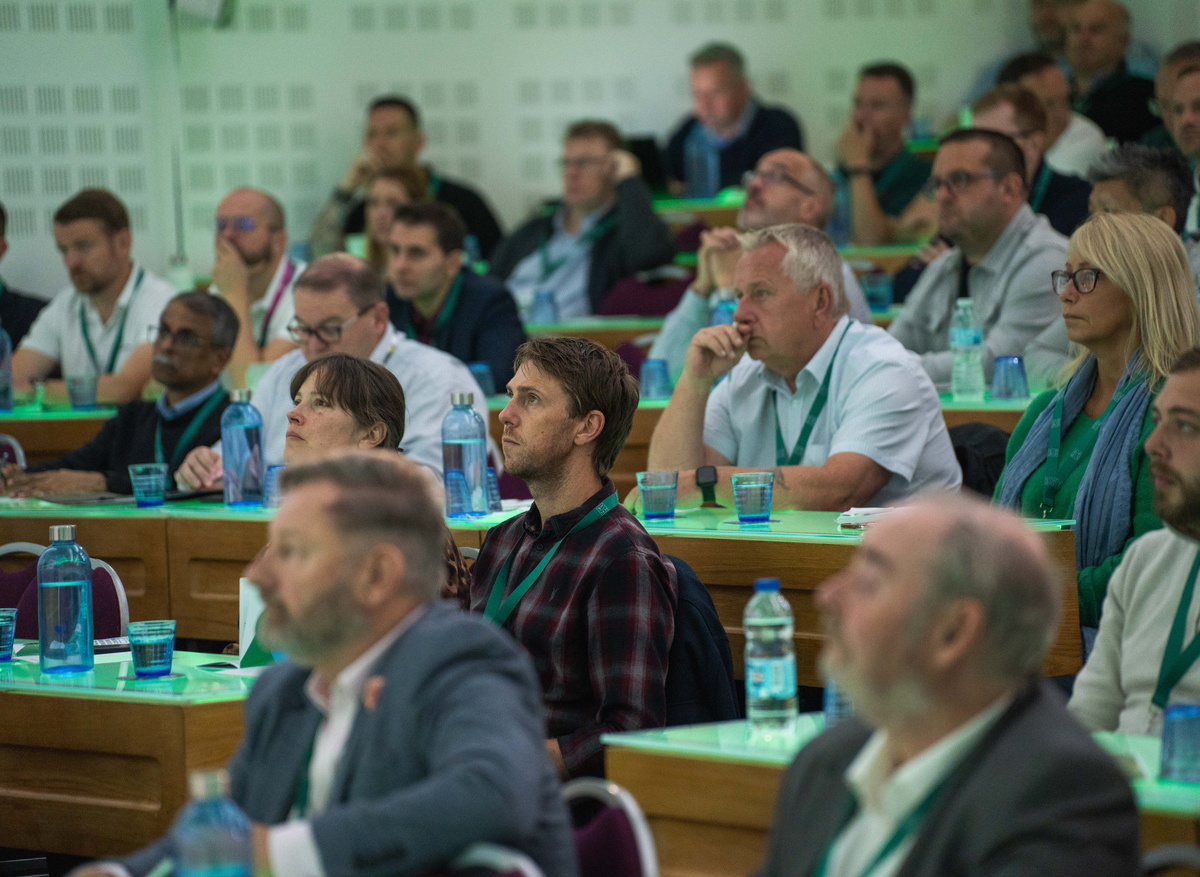
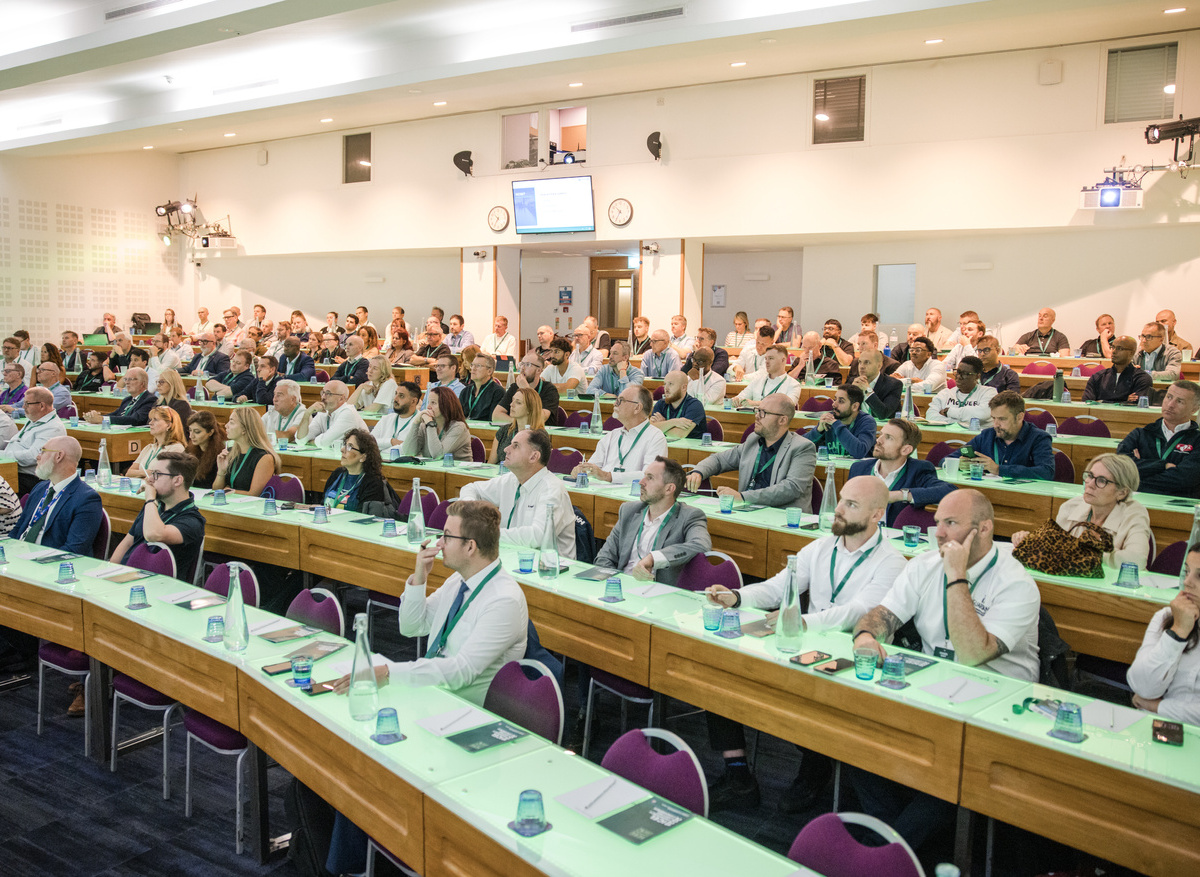
Join us on Thursday, September 10th, 2026 at the Cavendish Conference Centre in London for the ICEL Emergency Lighting Conference 2026, organised by the industry experts ICEL. 

Throughout the day, our carefully curated program will cover a wide range of topics relevant to emergency lighting. Each topic will be presented by leading figures within the industry. 

This exclusive gathering is designed to bring together key stakeholders across the complete supply chain in Emergency Lighting from manufacturer to occupier. 

Don’t miss out on the opportunity to play an active role in this extraordinary event that promises to shape the future of emergency lighting. You can find details of sponsorship packages on the next pages, giving you the chance to showcase your latest emergency lighting solutions to the industry and wider specification market.

Icel Emergency Lighting Conference 2026.png


Register to attend below:


Provisional Programme 

ICEL Emergency Lighting Conference Draft 2026 Programme

Time
Title
9:00am
Arrival and Registration
9:45am
Welcome Address
9:50am
The Risk of Being in the Dark: Human Behaviour, Safe Escape Routes, & the Reality of Sudden Darkness
When environments are suddenly plunged into darkness, reduced visibility, disorientation and stress significantly affect movement and decision-making, often challenging assumptions of how people believe they will respond. Luminaire positioning, glare control and light distribution play a critical role in visibility, while modern behaviours such as the use of mobile phone torches can introduce glare, disrupt visual adaptation and reduce the effectiveness of emergency lighting. Key design decisions, including increased illuminance at fire points and other point of emphasis, changes of direction and hazard areas, are rooted in supporting real human behaviour under stress rather than theoretical compliance.
10:10am
Emergency Lighting in High-Occupancy & 24/7 Environments
Emergency lighting in high-occupancy and continuously operated environments such as airports, transport hubs, large public buildings and care settings presents unique design challenges. In many of these spaces, evacuation is not always immediate or practical, and lighting must support both safe movement and controlled occupancy. The focus is on when a stay-put or phased evacuation strategy may be appropriate, particularly in environments such as assisted living and care homes where occupant vulnerability, familiarity and mobility must be carefully considered. Design decisions should be driven by occupancy, risk profile and operational use, ensuring emergency lighting solutions reflect real building conditions rather than a one-size-fits-all approach.
10:30am
Fire Risk Assessors’ Perspective: Priorities, High Risk Areas & Defining Escape Routes
Emergency lighting is often designed to meet standards, but assessed against real building risk. Viewing systems through the lens of fire risk assessors reveals how escape routes, critical zones and lighting performance are interpreted in practice. The focus is on how assessors evaluate stairwells, primary escape routes and specific locations, and how decisions are made around route definition, prioritisation and compliance. Understanding this perspective provides insight into how standards are applied, where they are effective, and where further clarity or improvement may be required.
10:45AM
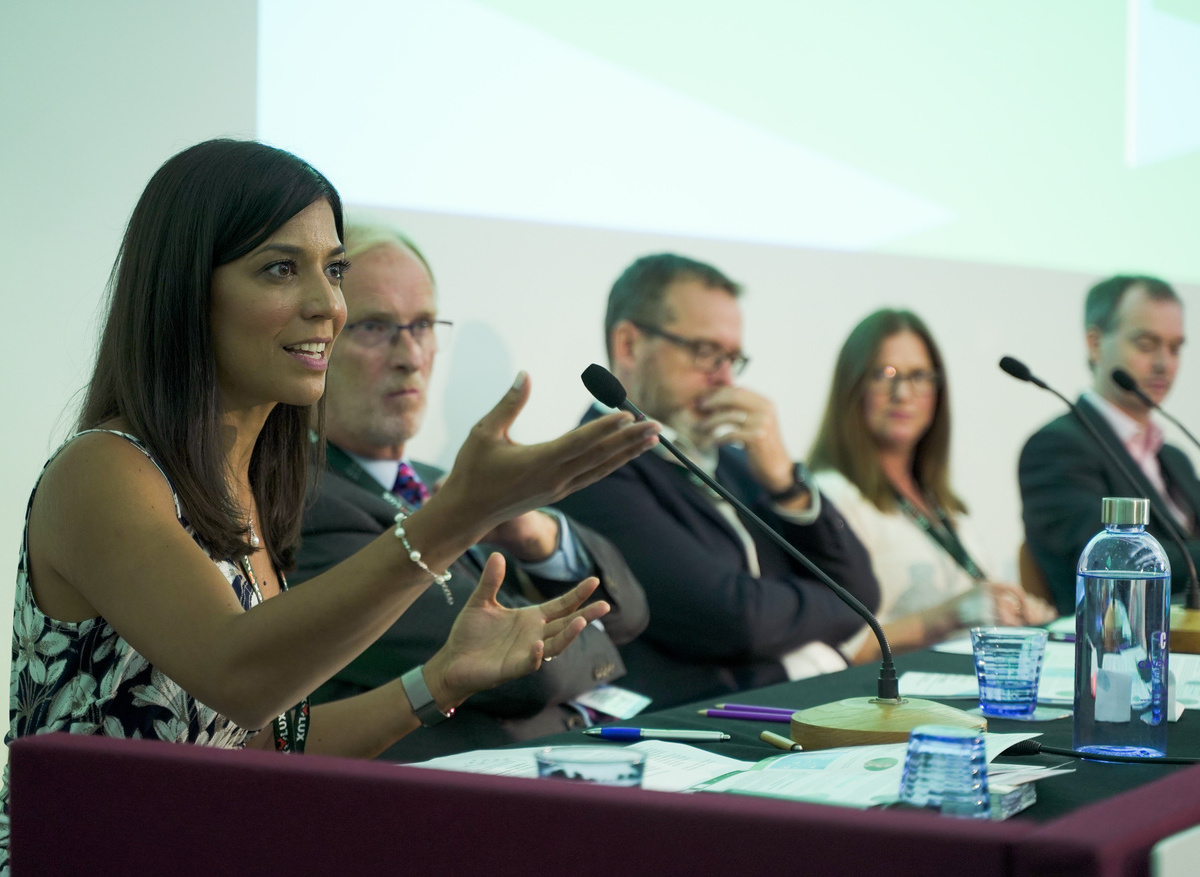
Q&A Panel
11:00AM
NETWORKING BREAK
11:30am
Beyond the Commissioning Phase: Operational Excellence in Emergency Lighting
Emergency lighting does not end at commissioning. Long-term performance, verification and maintenance are essential to ensure systems continue to operate reliably when needed. The focus is on how end users and maintenance teams can move beyond basic pass or fail testing towards structured, data-driven maintenance strategies, including automated testing, centralised monitoring and integration with modern facilities management systems. Recent updates to BS 5266-1 reinforce the need for periodic verification of light levels over the system lifecycle, ensuring that performance is maintained rather than assumed. Emphasis is placed on maintaining verified light levels, robust inspection regimes and a clear, defensible compliance trail that aligns system performance with legal and regulatory obligations.
11:50am
Standards, Regulation & What’s Coming Next
Emergency lighting is entering a period of significant regulatory and technical change. Updates to core standards, evolving fire safety legislation and new technologies are reshaping how systems are designed, specified and maintained. The focus is on the October 2025 update to BS 5266-1, key developments within BS EN IEC 60598-2-22, including lithium battery safety, and the growing role of Adaptive Emergency Escape Lighting Systems (AEELS). Understanding these changes is essential to maintaining compliance while supporting Net Zero objectives and delivering safe, future-ready emergency lighting systems.
12:10pM
Q&A Panel
12:30pM
NETWORKING Lunch
13:45pM
Defining the Responsible Person
Social housing providers, councils and residential landlords are responsible for life safety systems within multi-occupancy buildings, including flats, apartments and high-rise housing blocks. In these environments, emergency lighting is critical within stairwells, corridors and shared escape routes rather than within individual dwellings. While design, installation and maintenance are often delegated to contractors and consultants, accountability remains with the Responsible Person. The focus is on what duty holders must understand, verify and challenge when managing emergency lighting across communal areas, particularly where multiple stakeholders are involved. Consideration is also given to how emergency lighting aligns with other life safety systems, including fire detection and alarm systems, and how consistent approaches can be applied across residential portfolios.
14:10pM
Getting It Right First Time
Achieving full compliance in emergency lighting begins at design, not at commissioning. Decisions made early in a project directly influence installation quality, system performance and the need for costly remedial work. The focus is on aligning requirements across BS 7671, BS 5266-1 and BS EN 1838, while addressing real-world challenges encountered during installation and handover. Attention is given to coordination with other building services, ownership of space and priority of systems, ensuring emergency lighting is integrated effectively and performs as intended under emergency conditions.
14:30pM
Q&A Panel
14:50pM
NETWORKING break
15:20pm
Leadership Panel: The Future of ICEL & Emergency Lighting
Emergency lighting is entering a period of rapid change, driven by advances in technology, evolving regulation and increasing expectations around safety and sustainability. Senior industry leaders will explore the future direction of emergency lighting in the UK, including smart building integration, AI-assisted systems, data-driven maintenance and the role of sustainability within life safety systems. The discussion also provides ICEL with an opportunity to share emerging ideas and proposals, while inviting input from across the industry. Attendees will have the opportunity to contribute suggestions, challenge thinking and provide feedback that helps inform ICEL’s future priorities and industry direction.
15:55pm
Closing Remarks
16:00pm
NETWORKING AND REFRESHMENTS


Feedback from Previous events


About the Venue 

The Cavendish Conference Centre, London

Cavendish Conference Centre, located alongside Oxford Circus and Cavendish Square, has a long established reputation for customer service, hospitality and superb conference facilities. The Cavendish Conference Centre has been voted Best Conference Venue Customer Service on many occasions.
Cavendish Venues, 22 Duchess Mews, London W1G 9DT

Find Out More


If you have any questions, don't hesitate to get in touch below: